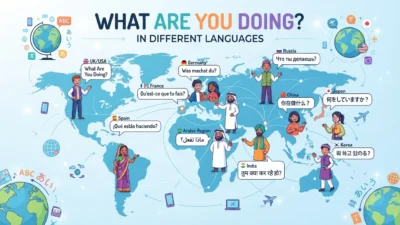
Wishing someone a good day is one of the simplest yet most meaningful ways to spread kindness. Whether you’re ending a conversation, saying goodbye to a coworker, greeting a customer, or chatting with a friend, the phrase “Have a good day” leaves people with a positive impression. Learning have a good day in different languages allows you to communicate warmly with people from different cultures while showing respect for their native language.
Across the world, every language has its own unique way of expressing this friendly wish. Some cultures use formal expressions in professional settings, while others prefer casual phrases among friends and family. Understanding these greetings not only improves your communication skills but also helps you appreciate the rich diversity of languages and traditions around the globe. In today’s interconnected world, knowing have a good day in different languages can be useful for travelers, students, teachers, business professionals, customer service representatives, and language learners. Even a simple farewell spoken in someone’s native language can create stronger relationships, build trust, and make conversations more memorable.
In this comprehensive guide, you’ll discover have a good day in different languages in all languages, learn how to say have a good day in different languages, explore accurate have a good day translations, and see how people wish each other well around the world. Every language includes the correct native phrase, an easy English pronunciation, a practical example sentence, and its English meaning, making this guide suitable for both beginners and advanced learners.
By the end of this article, you’ll have a valuable collection of multilingual expressions that you can confidently use during travel, work, school, or everyday conversations while gaining a deeper appreciation for global cultures.
Why Learn “Have a Good Day” in Different Languages?
Learning have a good day in different languages is a practical way to improve your language skills while making your conversations more friendly and meaningful. It’s one of the most commonly used expressions because it can be used almost anywhere—from workplaces and schools to restaurants, hotels, and casual conversations.
Here are some of the biggest benefits of learning this phrase:
- Improve your everyday communication skills.
- Leave a positive impression during international travel.
- Show respect for different cultures and traditions.
- Build stronger relationships with friends and colleagues worldwide.
- Expand your vocabulary with useful everyday expressions.
- Increase your confidence when speaking foreign languages.
- Enhance your cultural awareness through practical greetings.
Whether you’re just beginning to learn a new language or already speak several languages, “Have a good day” is an expression you’ll use again and again in real-life situations.
What You’ll Find in This Guide
This article is designed to be a complete resource for anyone searching for have a good day in different languages.
Inside this guide, you’ll discover:
- Correct native spellings for every phrase.
- Easy English pronunciations.
- Practical real-life example sentences.
- English meanings for every example.
- Helpful pronunciation tips.
- Cultural insights about farewell expressions around the world.
- Easy techniques for remembering foreign greetings.
- Answers to the most frequently searched questions.
Whether you’re traveling, studying a new language, working with international clients, teaching students, or simply exploring world cultures, this guide will help you confidently wish people a wonderful day in dozens of languages.
Have a Good Day in Different Languages
| Language | Native Phrase | Easy English Pronunciation | Example Sentence | English Meaning |
| English | Have a good day | Hav uh Good Day | Have a good day! See you tomorrow. | Have a wonderful day. |
| Spanish | Que tengas un buen día | Keh TEN-gas Oon Bwen DEE-ah | Que tengas un buen día. | Have a good day. |
| French | Bonne journée | Bon Zhoor-NAY | Bonne journée! À bientôt. | Have a good day! See you soon. |
| German | Schönen Tag noch | SHUR-nen Tahk Nokh | Schönen Tag noch! | Have a nice day! |
| Italian | Buona giornata | BWO-na Jor-NA-ta | Buona giornata! | Have a good day! |
| Portuguese | Tenha um bom dia | TEN-ya Oom Bom DEE-ah | Tenha um bom dia! | Have a good day! |
| Dutch | Fijne dag | FINE-uh Dakh | Fijne dag! Tot ziens. | Have a nice day! See you later. |
| Swedish | Ha en bra dag | Ha En Bra Dag | Ha en bra dag! | Have a good day! |
| Norwegian | Ha en fin dag | Ha En Fin Dag | Ha en fin dag! | Have a nice day! |
| Danish | Hav en god dag | Hav En Go Day | Hav en god dag! | Have a good day! |
| Finnish | Hyvää päivänjatkoa | HOO-va PAY-van-yat-ko-ah | Hyvää päivänjatkoa! | Have a good rest of the day! |
| Icelandic | Eigðu góðan dag | AYG-thu GO-than Dag | Eigðu góðan dag! | Have a good day! |
| Irish | Lá maith agat | Law Mah Ah-gut | Lá maith agat! | Have a good day! |
| Welsh | Mwynhewch eich diwrnod | Moin-hewch Aikh Dee-wrnod | Mwynhewch eich diwrnod! | Enjoy your day! |
| Scottish Gaelic | Latha math dhut | LA-ha Mah Ghoot | Latha math dhut! | Have a good day! |
| Polish | Miłego dnia | Mee-WE-go DNIA | Miłego dnia! | Have a nice day! |
| Czech | Hezký den | HEZ-kee Den | Hezký den! | Have a nice day! |
| Slovak | Pekný deň | PEK-nee Den | Pekný deň! | Have a nice day! |
| Slovenian | Lep dan | Lep Dan | Lep dan! | Have a nice day! |
| Croatian | Ugodan dan | U-go-dan Dan | Ugodan dan! | Have a pleasant day! |
| Serbian | Пријатан дан | Pri-ya-tan Dan | Пријатан дан! | Have a nice day! |
| Bosnian | Ugodan dan | U-go-dan Dan | Ugodan dan! | Have a pleasant day! |
| Romanian | O zi frumoasă | O Zee Froo-MOA-sa | O zi frumoasă! | Have a beautiful day! |
| Hungarian | Szép napot | Sape Na-pot | Szép napot! | Have a nice day! |
| Greek | Καλή σας μέρα | Ka-LEE Sas ME-ra | Καλή σας μέρα! | Have a good day! |
| Russian | Хорошего дня | Ha-RO-she-va Dnya | Хорошего дня! | Have a good day! |
| Ukrainian | Гарного дня | Har-no-ho Dnya | Гарного дня! | Have a nice day! |
| Belarusian | Добрага дня | DO-bra-ha Dnya | Добрага дня! | Have a good day! |
| Bulgarian | Хубав ден | Hoo-bav Den | Хубав ден! | Have a nice day! |
| Macedonian | Убав ден | U-bav Den | Убав ден! | Have a nice day! |
| Albanian | Ditë të mbarë | Dee-ta Tu Mba-re | Ditë të mbarë! | Have a good day! |
| Turkish | İyi günler | EE-yee Goon-ler | İyi günler! | Have a good day! |
| Arabic | يوم سعيد | Yawm Saeed | يوم سعيد | Have a nice day. |
| Persian (Farsi) | روز خوبی داشته باشید | Rooz Khoobi Dashte Bashid | روز خوبی داشته باشید | Have a good day. |
| Hebrew | שיהיה לך יום טוב | She-yi-he Le-kha Yom Tov | שיהיה לך יום טוב! | Have a good day! |
| Hindi | आपका दिन शुभ हो | Aapka Din Shubh Ho | आपका दिन शुभ हो! | Have a good day! |
| Urdu | آپ کا دن اچھا گزرے | Aap Ka Din Acha Guzray | آپ کا دن اچھا گزرے۔ | Have a good day. |
| Punjabi | ਤੁਹਾਡਾ ਦਿਨ ਚੰਗਾ ਲੰਘੇ | Tuhada Din Changa Langhe | ਤੁਹਾਡਾ ਦਿਨ ਚੰਗਾ ਲੰਘੇ! | Have a good day! |
| Bengali | আপনার দিন শুভ হোক | Apnar Din Shubho Hok | আপনার দিন শুভ হোক! | Have a good day! |
| Gujarati | તમારો દિવસ શુભ રહે | Tamaro Divas Shubh Rahe | તમારો દિવસ શુભ રહે! | Have a good day! |
| Marathi | तुमचा दिवस छान जावो | Tumcha Divas Chhan Javo | तुमचा दिवस छान जावो! | Have a good day! |
| Nepali | तपाईंको दिन शुभ रहोस् | Tapainko Din Shubha Rahos | तपाईंको दिन शुभ रहोस्! | Have a good day! |
| Sinhala | ඔබට සුබ දවසක් | Obata Suba Dawasak | ඔබට සුබ දවසක්! | Have a good day! |
| Tamil | உங்கள் நாள் இனிதாக அமையட்டும் | Ungal Naal Inithaga Amaiyattum | உங்கள் நாள் இனிதாக அமையட்டும்! | Have a good day! |
| Telugu | మీ రోజు శుభంగా గడవాలి | Mee Roju Shubhanga Gadavali | మీ రోజు శుభంగా గడవాలి! | Have a good day! |
| Kannada | ನಿಮ್ಮ ದಿನ ಶುಭವಾಗಿರಲಿ | Nimma Dina Shubhavagirali | ನಿಮ್ಮ ದಿನ ಶುಭವಾಗಿರಲಿ! | Have a good day! |
| Malayalam | നിങ്ങളുടെ ദിവസം നല്ലതാകട്ടെ | Ningalude Divasam Nallathakatte | നിങ്ങളുടെ ദിവസം നല്ലതാകട്ടെ! | Have a good day! |
| Thai | ขอให้เป็นวันที่ดี | Kor Hai Pen Wan Tee Dee | ขอให้เป็นวันที่ดี | Have a good day. |
| Vietnamese | Chúc bạn một ngày tốt lành | Chook Ban Mot Ngay Tot Lanh | Chúc bạn một ngày tốt lành! | Have a good day! |
| Indonesian | Semoga harimu menyenangkan | Se-mo-ga Ha-ri-mu Men-ye-nang-kan | Semoga harimu menyenangkan! | Have a nice day! |
| Malay | Semoga hari anda indah | Se-mo-ga Ha-ri An-da In-dah | Semoga hari anda indah! | Have a wonderful day! |
| Filipino (Tagalog) | Magandang araw sa iyo | Ma-GAN-dang A-raw Sa Ee-yo | Magandang araw sa iyo! | Have a good day! |
| Chinese (Mandarin) | 祝你今天愉快 | Zhu Ni Jin Tian Yu Kuai | 祝你今天愉快! | Have a good day! |
| Japanese | 良い一日を | Yoi Ichi-nichi O | 良い一日を! | Have a good day! |
| Korean | 좋은 하루 보내세요 | Jo-eun Ha-ru Bo-nae-se-yo | 좋은 하루 보내세요! | Have a good day! |
| Mongolian | Өдрийг сайхан өнгөрүүлээрэй | Ud-riig Sai-khan Ung-gu-ruu-le-rei | Өдрийг сайхан өнгөрүүлээрэй! | Have a good day! |
| Khmer | សូមឲ្យអ្នកមានថ្ងៃល្អ | Som Oy Neak Mean Thngai La-or | សូមឲ្យអ្នកមានថ្ងៃល្អ | Have a good day. |
| Lao | ຂໍໃຫ້ມື້ນີ້ດີ | Kor Hai Mue Nee Dee | ຂໍໃຫ້ມື້ນີ້ດີ | Have a good day. |
| Burmese | ကောင်းသောနေ့ဖြစ်ပါစေ | Kaung Thaw Nay Phyit Pa Say | ကောင်းသောနေ့ဖြစ်ပါစေ | Have a good day. |
| Swahili | Uwe na siku njema | Oo-we Na See-koo Nje-ma | Uwe na siku njema! | Have a nice day! |
| Zulu | Ube nosuku oluhle | Oo-be No-su-ku O-loo-hle | Ube nosuku oluhle! | Have a good day! |
| Xhosa | Yiba nosuku oluhle | Yee-ba No-su-ku O-loo-hle | Yiba nosuku oluhle! | Have a good day! |
| Afrikaans | Geniet jou dag | Khe-NEET Yo Daukh | Geniet jou dag! | Enjoy your day! |
| Hausa | Allah ya ba ka rana mai kyau | Al-lah Ya Ba Ka Ra-na Mai Kyau | Allah ya ba ka rana mai kyau! | Have a good day! |
| Amharic | መልካም ቀን | Melkam Qen | መልካም ቀን | Have a good day. |
| Somali | Maalin wanaagsan | Maa-lin Wa-naag-san | Maalin wanaagsan! | Have a good day! |
| Estonian | Ilusat päeva | Ee-loo-sat Pay-va | Ilusat päeva! | Have a nice day! |
| Latvian | Lai tev laba diena | Lai Tev La-ba Die-na | Lai tev laba diena! | Have a good day! |
| Lithuanian | Geros dienos | Ge-ros Dye-nos | Geros dienos! | Have a good day! |
| Esperanto | Bonan tagon | BO-nan Ta-gon | Bonan tagon! | Have a good day! |
How to Say “Have a Good Day” in Different Languages
Learning how to say “have a good day” in different languages is a great way to make your conversations more friendly and meaningful. This phrase is commonly used when saying goodbye to someone, ending a phone call, leaving a workplace, or wishing friends and family well before they continue with their day.
Although every language has its own pronunciation and writing system, the meaning remains the same—it’s a kind expression that wishes someone happiness, success, and a pleasant day ahead.
Here are a few simple tips to help you pronounce these phrases correctly:
- Listen to native speakers whenever possible.
- Practice each phrase slowly before speaking at a normal pace.
- Learn both the native script and pronunciation together.
- Repeat the phrases daily to improve your memory.
- Use these expressions in real-life conversations whenever you have the opportunity.
With consistent practice, you’ll quickly become comfortable wishing people a good day in many different languages.
Why Learn “Have a Good Day” in Different Languages?
Learning have a good day in different languages is useful for travelers, students, professionals, and anyone interested in foreign languages.
Make Traveling More Enjoyable
Using the local language when saying goodbye shows respect and often leads to friendlier interactions. Even a simple “Have a good day” can make someone’s day brighter.
Improve International Business Communication
Whether you’re emailing clients, attending meetings, or talking with international customers, ending a conversation with a friendly phrase in their native language creates a professional and positive impression.
Build Stronger Relationships
Speaking someone’s language—even with a simple farewell—shows appreciation for their culture and helps strengthen friendships, workplace relationships, and social connections.
Enhance Your Language Skills
Everyday expressions are among the first phrases language learners should master. They improve pronunciation, increase confidence, and make conversations sound more natural.
Understand Different Cultures
Many cultures have unique ways of wishing people well. Learning these expressions helps you appreciate the values, traditions, and communication styles of people around the world.
Have a Good Day Around the World
People across the world use different expressions to wish others a pleasant day, but the intention is always the same—to spread kindness and positivity.
In Europe, many farewell expressions are short, polite, and commonly used in daily conversations. Asian cultures often use respectful language, especially when speaking to elders or people in professional settings. Middle Eastern cultures frequently include warm wishes and blessings, while African communities value friendly greetings as an important part of everyday life.
No matter where you travel, wishing someone a good day in their native language is a thoughtful gesture that helps create meaningful connections.
Tips for Remembering Foreign Greetings
Learning greetings in multiple languages becomes easier with regular practice.
Try these simple techniques:
- Learn five new phrases each day.
- Create flashcards with the native phrase and pronunciation.
- Practice speaking aloud every morning.
- Watch native speakers to improve your accent.
- Group similar languages together.
- Use greetings in daily conversations whenever possible.
- Review previously learned phrases every week.
- Write each greeting in a notebook to strengthen your memory.
Regular practice is the key to remembering multilingual greetings for the long term.
Conclusion
Learning have a good day in different languages is a simple yet effective way to improve your communication skills while discovering cultures from around the world. Whether you’re traveling, studying a new language, working with international colleagues, or making new friends online, these expressions help you communicate with warmth, respect, and confidence.
Keep practicing the native phrases, pronunciations, and example sentences in this guide. Before long, you’ll be able to wish people a wonderful day in dozens of languages while making every conversation more friendly and memorable.
FAQs
1. How do you say “have a good day” in different languages?
Different languages use different expressions. For example, Spanish says Que tengas un buen día, French uses Bonne journée, German says Schönen Tag noch, Italian uses Buona giornata, and Japanese says 良い一日を (Yoi Ichinichi o).
2. Why should I learn “have a good day” in different languages?
Learning this phrase helps you communicate politely, improve your language skills, show respect for different cultures, and create positive interactions while traveling or working internationally.
3. Is “have a good day” a formal or informal expression?
It depends on the language. In many languages, there are both formal and informal versions, but the phrases included in this guide are commonly accepted and polite for everyday use.
4. Can I use these translations while traveling?
Yes. Using the local language to wish someone a good day is a respectful gesture that often makes conversations more welcoming and leaves a positive impression.
5. What’s the difference between “good day” and “have a good day”?
“Good day” is usually used as a greeting or farewell in some countries, while “Have a good day” specifically wishes someone a pleasant day as they leave or end a conversation.